Need emergency tree removal in Caledonia?
Tell us about your tree and where it stands. Request a callback to check provider availability, or send a request and we will pass it to a local provider.
No obligation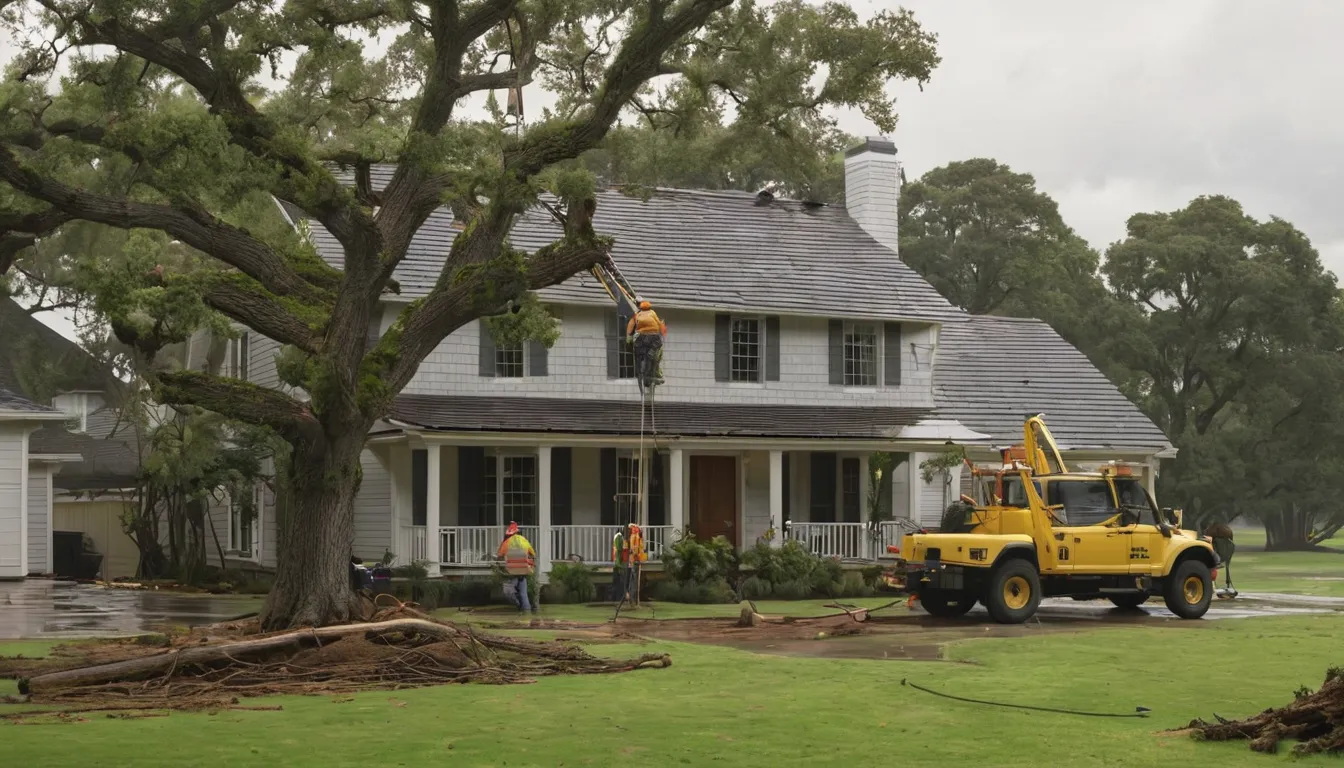
A tree that comes down in a storm can feel overwhelming. It may sit on a roof, block a driveway, or lean toward the house. You want to know what is safe and who can help.
Kickedadopted Tree Service is a referral service. We listen to what happened, then connect you with an independent provider in our network who handles emergency tree removal in Caledonia and the Caledonia area. The provider does the work, not Kickedadopted Tree Service. This page walks through what usually happens in the first hour, the first day and the first week, so you can make a calm choice. Availability and call hours vary by provider.
If a tree just fell, take a slow breath. The most risk comes in the first few minutes. Move everyone away from the trunk, the house and any hanging limbs. Stay well back from wires. A downed line can charge branches, the ground and even a puddle.
Request a callback to check provider availability, then tell them exactly what you see.
In the first hour, your job is simple. Keep people and pets clear. Take a few photos from a safe distance. Do not climb on the tree or try to cut it with a chainsaw. Wet, bent wood can snap back without warning.
If a wire is down or you smell gas, leave the area and contact the utility or emergency services first.
Some tree problems cannot wait. These usually count as urgent:
Not every mess is an emergency. A small branch in the yard or a fallen limb on open lawn can often wait. A provider can help you decide which group your tree is in.
A provider first looks at the site from a distance. They check for wires, weight on the structure and unstable wood. Then they make a plan. Often the first goal is to make things safe, not to clean up everything.
Crews may use ropes, a crane or a lift to take the tree apart in pieces. This protects the house from more harm.
This is the most delicate kind of job. Weight is already pressing on the roof, so the order of cuts matters. Many providers can also place a tarp, or help document damage for a claim.
These jobs are often quicker. The provider cuts the trunk into sections and moves them aside. Many providers can respond quickly to blocked access, though it depends on their schedule.
Once the danger is handled, the calm part begins. Wet wood is heavy, and a stressed tree can keep shifting. Watch for new cracks in nearby trees. Ask about hauling away logs, chipping branches and cleaning up debris. If the stump is in the way, stump grinding can be scheduled afterward.
Some policies may cover sudden damage from a fallen tree. Others have limits, so check your policy and ask your agent what applies. Keep your photos, notes and any written quote.
Providers can often help document damage for a claim. Ask for an itemized invoice that separates emergency work from cleanup.
The calendar shapes the work. Spring flooding softens soil, so roots let go more easily and heavy equipment needs care. Summer brings hot, humid air and severe thunderstorms with hail and strong gusts. Hail can strip bark and open wounds that weaken limbs. Winter frost locks the ground and can crack stressed wood. Ice and snow add weight to branches. Each season changes access, timing and how the provider approaches storm tree clearance.
When a storm hits a wide area, many neighbors need help at once. Providers triage. Trees on homes come first, and blocked roads follow. Cleanup of yard debris comes later.
So expect some waiting. Be patient, stay safe and keep your contact details handy. A quick, clear description helps a provider place your job.
A little care lowers the chance of another surprise. Have a provider look at trees with dead branches, hollow trunks or heavy lean. Trim limbs that hang over the roof. Watch trees near the sump pump area and foundation, where saturated soil can loosen roots. A check before storm season costs less than a rescue after one.
Before work starts, ask a few plain questions:
You do not need every answer right now. Make the area safe, take photos and reach out. A provider in our network can take it from there.
Trunks and limbs are cut into safe sections and moved away from your home and yard.
Providers clear trees blocking driveways, walkways and access points after severe weather has passed through.
Careful cutting order helps limit extra weight and harm when a tree rests on a building.
Many providers can chip branches and haul logs, so your yard is left tidy.
Emergency jobs usually cost more than planned work because of risk, equipment and speed. These are typical U.S. ranges. Your price will vary, so always get a written quote.
| Job type | Typical range | Notes |
|---|---|---|
| Small fallen tree on open lawn | $300 – $900 | Easy access keeps the price lower |
| Large tree blocking a driveway | $800 – $2,500 | Size and cutting time drive the price |
| Tree on a roof or house | $1,500 – $5,000+ | May need a crane or lift |
| Crane use for the job | $500 – $2,000 | Often billed by the hour |
| Tarping a damaged roof | $300 – $1,000 | Depends on roof size and access |
| Debris hauling and chipping | $200 – $800 | Sometimes included in the quote |
Keep everyone away from the tree, the house and any wires, and take photos from a distance.
Request a callback or send the request form and describe the tree.
We connect you with an independent provider who serves your area.
Get the price in writing, then let the provider do the work.
We listen to your situation and explain a clear next step before anything else.
Independent providers in our network know local storms, soil and housing.
Ask questions and request an estimate without any pressure to commit.
You know what happens next, from the first call to the cleanup.
Tell us about your tree and where it stands. Request a callback to check provider availability, or send a request and we will pass it to a local provider.
No obligationA tree on a roof, a trunk blocking your driveway, or a tree tangled in power lines is usually urgent. A leaning tree with cracked soil at the base also needs quick attention.
Some policies may cover sudden damage when a tree falls on your home, but coverage differs by plan. Check your policy and ask your agent. Providers can often help document damage for a claim, including photos and invoices.
It is safer not to. Fallen trees can hold tension, hide power lines and shift without warning, especially when wet. A trained provider has the tools and plan to cut safely. Keep your distance and take photos instead.
Tell us about your tree and where it stands. Request a callback to check provider availability, or send a request and we will pass it to a local provider.
No obligation